

 4747 67 St #137, Red Deer, AB T4N 6H3, Canada
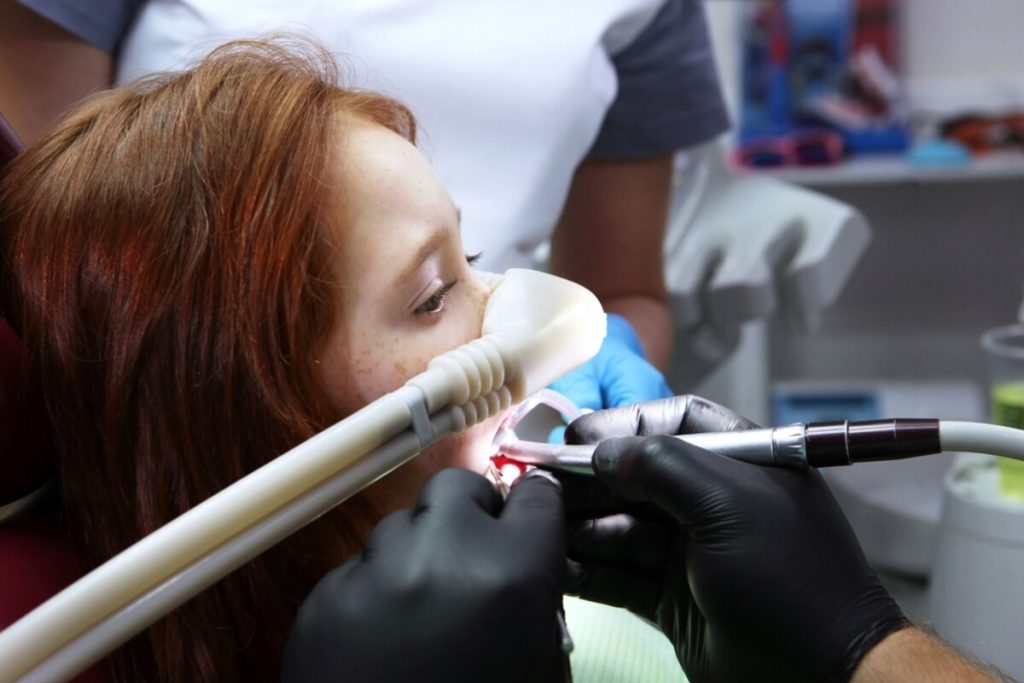
It is one of the most common questions patients ask before their appointment. If you have been recommended IV sedation in Red Deer or are simply curious about what it involves, the question of whether you will be awake is completely understandable.
The answer might surprise you. IV sedation does not put you fully to sleep the way general anesthesia does, but it creates such a deep state of relaxation that most patients have little to no memory of the procedure afterward. Here is everything you need to know before you go in.
What Is IV Sedation Dentistry?
IV sedation stands for intravenous sedation. It means the sedative medication is delivered directly into a vein, usually in the back of the hand or the inner arm. Because it enters the bloodstream directly, it works much faster than oral sedation, and the level of sedation can be precisely controlled throughout the procedure.
It is sometimes called twilight sedation or conscious sedation. The word “conscious” is important here; you remain technically awake, meaning you can still breathe on your own and respond to simple instructions if needed. But you are in a deeply relaxed, dream-like state that feels nothing like being awake in the normal sense.
For patients at a dental clinic in Red Deer who struggle with anxiety, have a strong gag reflex, or need lengthy or complex procedures done, IV sedation is often the most comfortable and practical option available.
So Will You Actually Be Awake?
Technically, yes. Practically, it rarely feels that way.
Here is what most patients experience under IV sedation:
- A profound sense of calm and relaxation within minutes of the medication being administered
- Reduced awareness of what is happening around them
- Little or no sense of time passing; a two-hour procedure can feel like it lasted five minutes
- No anxiety, no tension, and no physical discomfort during treatment
- Little or no memory of the procedure once it is over
Most people who have had IV sedation describe it as feeling like they were just drifting. They were not unconscious, but they were not fully present either. It sits somewhere in between, and for most patients, that middle ground is exactly what they need.
What Makes IV Sedation Different From Other Options?
There are a few different sedation options available in dentistry, and it helps to understand where IV sedation sits in the range.
Nitrous Oxide
Also called laughing gas, nitrous oxide is inhaled through a mask. It produces mild relaxation and wears off quickly. It is suitable for patients with light anxiety and short procedures, but it does not reach the depth of sedation that an IV can.
Oral Sedation
This involves taking a prescribed sedative pill before the appointment. It produces moderate sedation but takes longer to kick in and is harder to control precisely. The level of sedation varies more between patients.
IV Sedation
This delivers a consistent, controllable level of sedation that can be adjusted in real time by the dental team. It works faster, goes deeper, and produces more reliable amnesia, meaning patients are far less likely to remember the procedure. It is the preferred option for patients with significant dental anxiety or those undergoing complex treatment.
General Anaesthesia
This renders you completely unconscious and is used in a hospital setting for extensive surgical procedures. It requires an anaesthesiologist and carries more risk than IV sedation for routine dental work.
For most patients at a dental clinic near you who need more than light sedation, IV sedation sits in the ideal range- deep enough to be genuinely effective, without the complexity and recovery time of general anesthesia.
Who Is IV Sedation Best Suited For?
IV sedation is a good option for a wide range of patients. It is particularly well suited for people who:
- Have significant dental anxiety or phobia
- Have had traumatic dental experiences in the past
- Need multiple procedures completed in one appointment
- Have a very sensitive gag reflex that makes treatment difficult
- Require lengthy or complex dental work such as extractions, implants, or oral surgery
- Have physical or developmental conditions that make it hard to sit still for extended periods
- Have tried other forms of sedation without adequate results
If you have been putting off dental treatment because of fear, IV sedation near you may be exactly what makes it possible to move forward.
What Happens on the Day of Your Appointment?
Knowing what to expect from the moment you arrive can help ease any nerves beforehand.
Before the procedure, you will be asked to:
- Fast for a set number of hours, typically six to eight hours before the appointment
- Arrange for a trusted adult to drive you to and from the clinic
- Avoid alcohol for at least 24 hours before
- Bring a list of any medications you are currently taking
- Wear comfortable, loose-fitting clothing with easy access to the arm for the IV line
When you arrive, the dental team will review your health history and answer any remaining questions. The IV line is placed once you are settled and comfortable. The medication is introduced slowly, and you will begin to feel calm very quickly, usually within a minute or two.
Throughout the procedure, your oxygen levels, heart rate, and blood pressure are monitored continuously. The sedation level can be adjusted at any point to make sure you stay comfortable.
What to Expect After the Procedure
Recovery from IV sedation is generally straightforward, but it does require some planning.
Here is what to expect once the procedure is done:
- You will feel groggy and drowsy for the first few hours
- Your memory of the procedure will likely be very limited or absent entirely
- You will need your designated driver to take you home; you cannot drive yourself
- Rest for the remainder of the day is strongly recommended
- Avoid making important decisions or signing documents for 24 hours
- You should try to eat light food and have plenty of fluids to drink during your recovery period.
- Most people recover quite rapidly from the mild grogginess or soreness.
Most patients are surprised by how quickly they bounce back. By the following morning, the vast majority feel back to normal.
Is IV Sedation Safe?
For healthy patients, IV sedation is very well established in dental practice. The medication used is carefully selected and dosed based on the patient’s weight, health history, and the length of the procedure.
The dental staff that administers IV sedation is trained to monitor and manage sedation. While you are having your appointment, your vital signs will be monitored, and the dental staff will know what to do if they are unstable.
Before recommending IV sedation, your dentist will review your full medical history. Certain health conditions or medications may affect whether IV sedation is appropriate for you. This is why a thorough consultation beforehand is always part of the process.
Calm, Comfortable Care Is Within Reach. Visit Parkland Mall Dental Centre
Dental anxiety is real, and it stops many people from getting the care they need. IV sedation exists precisely to change that. You do not have to white-knuckle your way through a procedure or keep putting off treatment because the thought of it feels overwhelming.
Here at Parkland Mall Dental Centre, we know that you may have worries. Whether you have only a slight apprehension about visiting the dentist or are intensely afraid, we will help you to get through your dental appointment feeling relaxed and at ease. Call today to schedule a consultation and see if IV sedation is an option for you.
Frequently Asked Questions
Will I feel any pain during IV sedation?
IV sedation reduces awareness significantly, and a local anesthetic is still used to numb the treatment area. Most patients feel no pain and have little memory of the procedure afterward.
Can I eat or drink before an IV sedation appointment?
No. You will be asked to fast for several hours beforehand. Your dental team will give you specific instructions based on your appointment time.
How long does it take to feel normal again after IV sedation?
Most of the grogginess wears off within a few hours. Most patients feel fully back to normal by the following day.
Is IV sedation covered by dental insurance?
Insurance plans differ; while some will cover sedation during particular procedures, others won’t. Before you come in, confirm with your insurance provider. Your dental office will be happy to inform you of the charges before your scheduled appointment.