

 4747 67 St #137, Red Deer, AB T4N 6H3, Canada
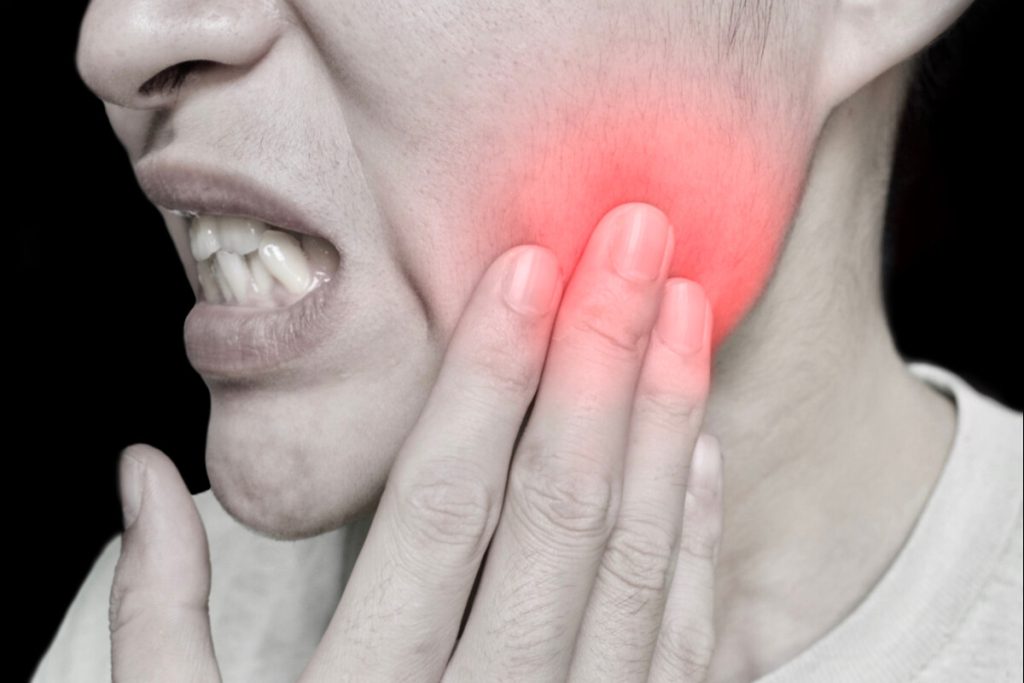
Waking up should feel like a fresh start, but feeling a dull ache in your face can ruin the morning. If you find yourself rubbing your face every day, visiting a dentist in Red Deer, AB, may help you find the cause. Many people ignore a tight face or sore teeth, but these signs usually mean your body is struggling while you sleep.
1. Is Stress Making You Clench Your Teeth?
One major cause of morning jaw pain is something called bruxism. That happens when a person presses their teeth together very hard while they sleep. Since you are asleep, you do not realize how much pressure you are putting on your muscles. Over time, that constant pressure makes the joints around your ears feel tired and sore.
Stress from school or work often follows people into their dreams. When the mind is worried, the body stays tense. If you wake up with a headache or teeth that feel a bit sensitive, clenching might be the reason.
2. Can Teeth Grinding Cause Morning Jaw Pain?
A lot of people ask, “Can teeth grinding cause morning jaw pain, and the answer is definitely yes. Grinding is different from clenching because it involves moving the teeth back and forth against each other. Such grinding wears down the enamel, which is the hard outer layer of your teeth.
- You might notice your teeth look shorter or flatter than they used to.
- Your partner or family members might hear a clicking sound at night.
- Your tongue might have small indentations on the sides.
- The muscles near your temples might feel tight like a knot.
A dentist can look for wear patterns on your molars to see if this is happening. They often suggest a custom mouthguard to act as a cushion between the upper and lower teeth.
3. Are Your Sleep Positions Causing Trouble?
The way you lie down affects your bones and muscles. If you sleep on your stomach, your neck is usually turned at a sharp angle. It puts uneven weight on your face. That extra weight can lead to jaw soreness after sleeping because the joint is being pushed out of its natural spot for hours.
Using a pillow that is too high or too flat can also cause issues. If your head is not supported properly, your neck muscles have to work harder. Since the muscles in your neck are connected to your face, the ache spreads quickly.
4. Is it a Problem with the Jaw Joint?
There is a special hinge that connects your jaw to your skull. It is called the TMJ. Sometimes, this hinge gets out of alignment or becomes swollen. When this joint is not working right, you might hear a popping or clicking sound when you eat breakfast.
If the joint is stuck or inflamed, the pain might feel sharp instead of dull. This condition often needs a professional to look at how your bite fits together. If your teeth do not line up perfectly, the joint has to work extra hard every time you swallow or speak.
5. Could it be a Hidden Cavity or Infection?
Sometimes the ache is not about the joint at all. An untreated cavity or a deep infection in a tooth can cause pain that radiates through the entire side of your face. Because humans tend to swallow and move their mouths in their sleep, an infected tooth can feel much worse in the early hours.
A quick checkup at a dental clinic near you can rule out these types of issues. If a tooth is the problem, fixing it will usually make the facial ache go away almost instantly. It is important to catch these issues early so they do not spread to the bone.
6. Do You Have Sinus Congestion?
Your sinuses are hollow spaces in your skull located right above your upper teeth. If you have a cold or allergies, these spaces fill up with fluid and become swollen. The swelling creates pressure that pushes down on the roots of your teeth.
When sinus pressure is high, it feels like your whole face is heavy. That is very common during allergy season or in the middle of winter. If you notice that the ache gets better once you stand up and start moving, your sinuses might be the culprit.
How to Find Relief at Home
While waiting to see a professional, you can try a few simple steps to feel better:
- Apply a warm cloth to the side of your face for ten minutes.
- Try to sleep on your back to keep the weight off your face.
- Avoid chewing gum or eating very hard foods like ice.
- Practice relaxing your tongue behind your front teeth.
Easy Appointments, Lasting Comfort
A healthy smile starts with a comfortable mouth. Our team at Parkland Mall Dental Centre is here to help you figure out why you are uncomfortable and find a solution that lets you wake up feeling great. We want to make sure your teeth stay strong, and your face stays relaxed every single day.
Call us to book your appointment!
FAQs
1. Will the pain go away on its own?
If a temporary cold causes the ache, it might leave. However, if you are grinding your teeth, it will likely continue until you protect your smile with a guard.
2. Should I see a dentist if my jaw only hurts once a week?
Yes, because even occasional pain shows that something is not right. Checking it early prevents your teeth from getting cracked or worn down.
3. Can a mouthguard help me sleep better?
Many people find they sleep more deeply with a mouthguard because their muscles are finally able to relax instead of working all night.
4. What happens if I ignore the soreness?
Ignoring the problem can lead to permanent damage to the jaw joint, cracked teeth, or chronic headaches that last all day long.