

 4747 67 St #137, Red Deer, AB T4N 6H3, Canada
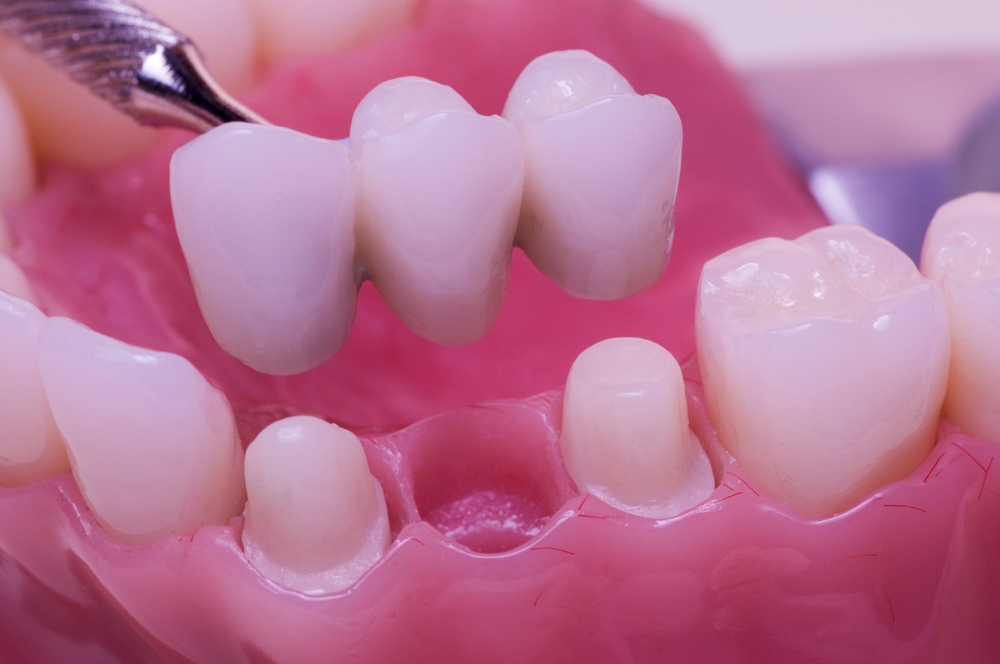
When you finally receive a solution for a missing tooth, it should feel like a relief. For many patients choosing dental bridges in Red Deer, AB, the goal is to eat, speak, and smile with complete confidence once again. However, it is not uncommon to walk out of the clinic feeling like the new restoration is pressing a bit too firmly against the neighbouring teeth.
While a small amount of pressure is expected, a bridge that feels like a tight shoe can be distracting. Understanding why this happens and how your dentist can help will ensure your smile stays both beautiful and comfortable.
Why Your New Bridge Might Feel a Bit Tight
The way your mouth perceives a new object is incredibly sensitive. Even a tiny fraction of a millimetre can be felt by your tongue and nerves. When you visit a dental clinic near you for a bridge, the restoration is designed to fit precisely between two supporting teeth.
There are several reasons for that “squeezing” sensation:
- Adjustment Period: Your gums and the surrounding ligaments need a few days to get used to the new structure.
- Minor Inflammation: The process of preparing the teeth and placing the bridge can cause slight swelling in the soft tissue.
- Tight Contacts: If the bridge is pressing too hard against the teeth on either side, it can create a feeling of constant pressure.
- Bite Alignment: Sometimes, the way your top and bottom teeth meet can make a bridge feel tighter than it actually is.
Identifying Normal Vs. Abnormal Sensations
It’s important to know the difference between normal healing and a problem that needs quick attention. Most new dental bridge discomfort should slowly improve within about a week. You may feel a little sensitive when drinking cold water or notice a slight “full” feeling in your jaw.
However, if you experience sharp pain when biting down or if the tightness causes a headache, the fit may need a professional adjustment. A bridge should feel like a natural part of your mouth, not a source of constant throb or ache.
The Process of Professional Adjustment
You should never try to force a bridge to fit or wait months for it to “wear down.” If the pressure doesn’t subside, you should learn how dentists adjust a tight dental bridge to provide instant relief.
During a follow-up visit, your dentist will use a special colored marking paper. By having you bite down on this paper, they can see exactly where the bridge is hitting too hard. Using a high-precision tool, they can gently polish away the excess material. This small change often removes the tension immediately, allowing the bridge to sit perfectly in the row.
How Can You Maintain a Healthy Dental Bridge?
Once the fit is perfected, keeping the restoration in top shape is the next priority. Proper dental bridge maintenance ensures that the supporting teeth remain strong and the porcelain stays intact. Because the bridge is a single piece, you cannot traditionally floss between the teeth.
Instead, you can use:
- Bridge Threaders: These tools let you slide floss under the false tooth so you can clean the gums.
- Water Flossers: A gentle stream of water washes away food and plaque where a toothbrush can’t reach.
- Interdental Brushes: Tiny, cone‑shaped brushes help clear out bits of food between teeth and around the bridge.
- Regular Cleanings: Visiting the dentist twice a year lets them check your bridge for any wear or movement and keep everything healthy.
Impact Of Oral Habits On Bridge Comfort
Sometimes the tightness isn’t about the bridge itself, but about how you use your jaw. People who grind their teeth at night—a condition called bruxism—often wake up feeling like their dental work is too tight.
If you notice the pressure is worse in the morning, mention this to your dentist. Our dentist in Red Deer, AB suggest a custom night guard to protect your investment and keep your jaw muscles relaxed. Taking care of your overall oral health directly impacts how comfortable your bridge feels throughout the day.
When To Call Your Provider
If the tightness is accompanied by a foul taste, bleeding gums, or a visible gap between the bridge and the gum line, it’s time for an exam. While the bridge itself cannot decay, the natural teeth underneath it can. Staying proactive prevents small fit issues from turning into larger health concerns.
Most of the time, a simple five-minute adjustment is all it takes to turn a tight bridge into a perfect fit. Your comfort is just as important as the appearance of your smile.
Experience A Perfect Fit For Your Smile
A healthy smile should never be a source of stress or physical tension. At Parkland Mall Dental Centre, our priority is ensuring your restorations feel as natural as the teeth you were born with. Our experienced team uses modern technology to create precise fits and comfortable outcomes for every patient we see.
Schedule your visit today to find the comfort you’ve been looking for.
Frequently Asked Questions
How long does it take for a bridge to feel normal?
Most people notice that new dental bridge discomfort improves within three to five days. You may feel some sensitivity or awareness of the bridge at first, but this usually fades as your mouth adjusts. If the discomfort continues after a full week, it’s a good idea to schedule a quick check‑up with your dentist.
Can a bridge be adjusted once it is permanently cemented?
Yes, a dentist can make minor adjustments to the chewing surface or the sides of the bridge even after it is glued in place. They use specialised polishing burs to refine the shape without needing to remove the entire bridge.
Is it normal for my gums to be sore after a new bridge?
It is very common for the gum tissue around the supporting teeth to feel slightly tender or look a bit red for a few days. Rinsing with warm salt water can help soothe the area and speed up the healing process.
What happens if a bridge is too tight for too long?
If a bridge is left too tight, it can put excessive stress on the roots of the neighbouring teeth. This might lead to inflammation or even cause the teeth to shift slightly. Getting a simple adjustment early on prevents these complications and keeps your bite aligned.