

 4747 67 St #137, Red Deer, AB T4N 6H3, Canada
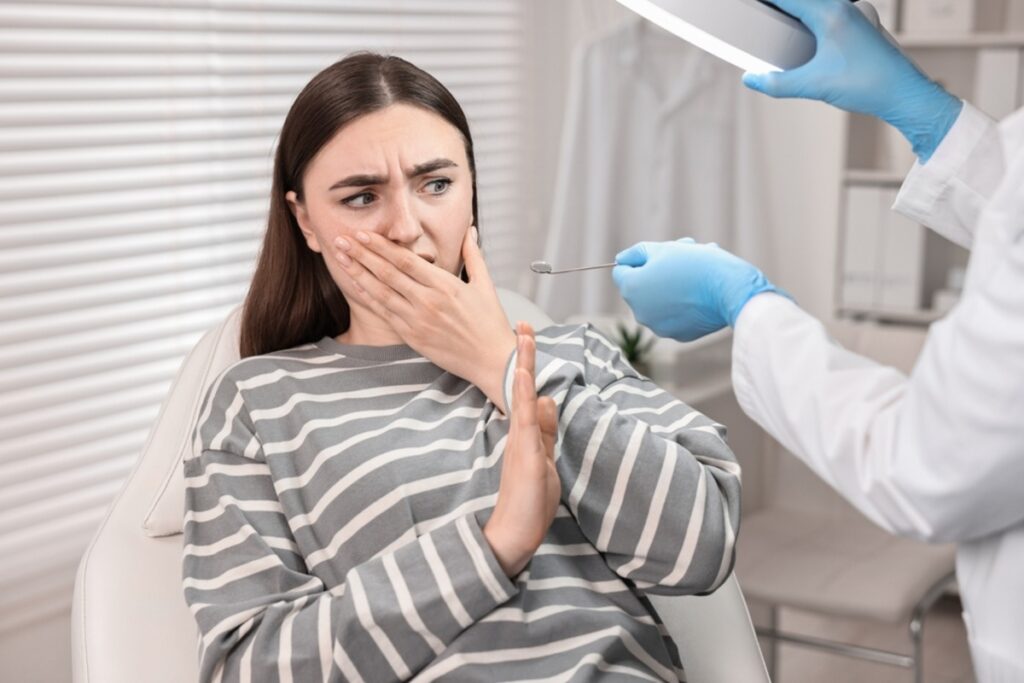
Looking at that severely damaged tooth, haven’t you always wondered if saving that tooth is really a good idea? When a tooth is too compromised, it may be better to remove it than to attempt to save it. Dental implants in Red Deer, AB, are stronger, permanent alternatives for missing teeth that can improve functionality as well as appearance.
Knowing why saving a tooth is not always the best choice can help you save your smile, boost your oral health, and receive the best effective dental restoration options for the long-term.
Why Some Teeth Can’t Be Saved
Some teeth are beyond repair. When a tooth is beyond saving, attempts to salvage it will only lead to additional discomfort and repetitive treatments. Your decision about your tooth, whether to save it or not, helps maintain your oral health.
The most common signs are:
- Extensive tooth decay that impacts the roots.
- Big fissures or ruptures.
- Repeated illness despite care.
- Teeth become loose due to bone loss.
- Ongoing discomfort or inflammation.
A dentist in Red Deer, AB can evaluate these considerations to determine if removing the tooth and replacing it is the safer option.
When Dental Implants Make More Sense
In many cases, dental implants in Red Deer, AB, are a better choice than attempting to save a severely damaged tooth. Implants act as a replacement root, providing a strong foundation for a natural-looking crown.
Benefits of dental implants include:
- Long-lasting solution with proper care
- Natural appearance and feel
- Helps maintain jawbone health
- Reduces the risk of repeated infections
Dental implants provide a reliable, durable solution compared to multiple emergency treatments on a failing tooth.
Risks of Trying to Save an Unsalvageable Tooth
Attempting to fix a tooth that cannot be saved can cause long-term damage.
- Repeated Treatments: Multiple root canals, fillings and crowns can get damaged over a period of time.
- Increased Pain: The rise in pain can interfere with eating and talking.
- Infection Risk: Bacteria can spread to other teeth or gums
- Higher Costs: Repeated procedures can cost more than a single dental implant
Understanding these risks helps you make the best choice for your oral health.
Comparing Tooth Saving vs Replacement
Here’s a clear comparison between saving a damaged tooth and replacing it with a dental implant:
Saving a Tooth:
- May require multiple treatments
- Risk of recurring infection
- Could eventually fail
Replacing with an Implant:
- One long-term solution
- Reduces risk of infection
- Maintains jawbone health
- Restores function and appearance
This comparison shows why replacing a tooth is often safer and more effective than saving it.
Signs You Should Consider Tooth Replacement
Aware of these warning signs.
- Never-ending ache or tenderness.
- Gum Inflammation And Swelling
- Huge fissures or nicks.
- Chewing problems.
- Loose or mobile teeth
Your dental clinic near you can examine your case and present options for dental restoration if you notice any of these, so that you may have a healthy smile.
What to Expect With Dental Implants
Getting a dental implant is simple and made to be comfortable:
- Consultation: The dentist checks your teeth and jaw and makes a plan.
- Implant Placement: A small titanium post is put into your jawbone.
- Healing Period: The implant joins with the bone over a few months.
- Crown Placement: A natural-looking crown is added to replace the tooth.
This process not only replaces the tooth but also makes your jaw stronger and helps prevent future dental problems.
Take the Next Step to Restore Your Smile!
A damaged tooth shouldn’t stop you from smiling, eating and speaking confidently in front of others. Make a visit at Parkland Mall Dental Centre today for the best tooth replacement solutions to restore your smile, protect your jawbone and improve your oral health.
Take action now, book your appointment and take the first step toward a healthy, strong, and beautiful smile that lasts for years to come!
FAQs
Is it comfortable to use a temporary tooth?
Sure! Today’s temporary options fit easily and protect the gap while you plan for replacement. Most patients get used to their new denture routine rather quickly. If needed, your dentist can make small adjustments to improve the fit.
What is the lifespan of permanent replacements?
With appropriate oral care, dental implants or fixed bridges can last 10–20 years or more. They are a long-term solution for your smile and bite.
Will same-day replacements look natural?
Absolutely! Both temporary and permanent replacements are designed to match your natural teeth in colour, shape, and size so that you can smile, speak, and eat confidently.
Which option is right for me?
Your dentist will evaluate your gum health, jawbone condition, and overall oral health to recommend the best immediate or long-term solution that restores both function and appearance.