
 4747 67 St #137, Red Deer, AB T4N 6H3, Canada
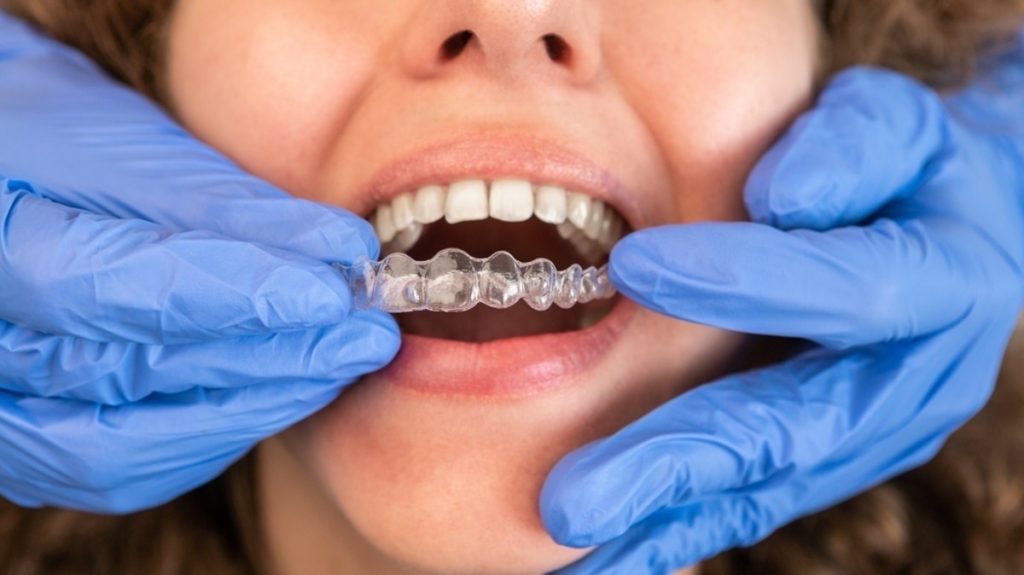
Invisalign can help correct many common tooth alignment problems, including overbite, gaps, and crowded teeth. The clear aligners gently move teeth into planned positions over time. The type and severity of the problem can affect whether Invisalign is suitable. A dentist in Red Deer can check the teeth, bite, gums, and jaw before recommending treatment. Invisalign in Red Deer may be an option when the alignment problem can be treated with clear aligners. A proper assessment is important because not every bite or tooth position can be corrected with Invisalign alone.
Can Invisalign Fix an Overbite?
Yes, Invisalign can help correct some types of overbite. An overbite happens when the upper front teeth extend too far over the lower front teeth when the mouth is closed.
Treatment may involve moving the teeth and making planned changes to how the upper and lower teeth meet. The amount of correction possible depends on the cause and severity of the overbite.
As for whether Invisalign can fix an overbite, the answer depends on the individual’s bite. Mild to moderate cases may respond well, while more complex cases may need other orthodontic approaches.
Can Invisalign Close Gaps Between Teeth?
Invisalign in Red Deer can close many gaps between teeth by gradually moving the teeth closer together. Gaps can occur between front teeth or in other areas of the mouth.
Before treatment, the cause of the gap should be checked. A gap may be related to tooth size, tooth position, missing teeth, or the tissue between the front teeth. Treating the underlying cause can be important for a stable result.
Can Invisalign Treat Crowded Teeth?
Crowding occurs when there is not enough space for teeth to line up properly. Invisalign may help with certain levels of crowding by gradually moving teeth into better positions.
Invisalign in Red Deer may be considered when enough space can be created or managed through planned tooth movement. More severe crowding may require a different treatment approach.
What Can Affect Invisalign Treatment?
Clear aligners do not work the same way for every person. Several factors can affect whether they are suitable, including:
- The amount of tooth movement needed
- The type and severity of the bite problem
- The position of the teeth
- The health of the teeth and gums
- Whether there are missing or damaged teeth
- How consistently the aligners are worn
Following the recommended wear schedule is also important because aligners need regular use to guide tooth movement.
When May Invisalign Not Be Enough?
Some alignment or bite problems may be too complex for clear aligners alone. This can happen when major tooth movement, significant jaw differences, or other dental concerns are involved.
A dentist near you can assess the problem and explain whether Invisalign may be suitable or whether another orthodontic option should be considered. In some cases, additional dental or orthodontic treatment may be needed.
How Is Invisalign Treatment Planned?
Treatment begins with an examination of the teeth and bite. The condition of the gums and teeth may also be checked before tooth movement starts.
A treatment plan can then be created based on the required tooth movements. The aligners are designed to move the teeth gradually. Follow-up visits may be needed to check progress and make changes if required.
Find Out Which Alignment Option Fits Your Smile!
Overbite, gaps, and crowded teeth can have different causes and levels of severity. A careful assessment can help identify the type of alignment problem and whether clear aligner treatment may provide a suitable way to improve tooth position and bite.
Contact Parkland Mall Dental Centre to discuss your alignment concerns, learn what treatment may be suitable, understand the next steps, and book your appointment.
FAQs
Can Invisalign close a gap caused by a missing tooth?
Invisalign may move nearby teeth, but a missing tooth itself cannot be replaced by an aligner. A separate tooth-replacement option may be needed, depending on the treatment plan.
How long does Invisalign take to fix crowded teeth?
Treatment time varies based on the amount of crowding and the tooth movements required. Mild cases may take less time than more complex cases.
Can Invisalign make an overbite worse?
When properly planned and monitored, Invisalign treatment is designed to improve the planned tooth positions and bite. Poor aligner use or an unsuitable treatment plan can affect results, so professional assessment and follow-up are important.
Can a dentist tell if Invisalign will work?
Yes. A dental assessment can review the teeth, bite, gums, and other factors that affect treatment. This helps determine whether clear aligners may be appropriate.