

 4747 67 St #137, Red Deer, AB T4N 6H3, Canada
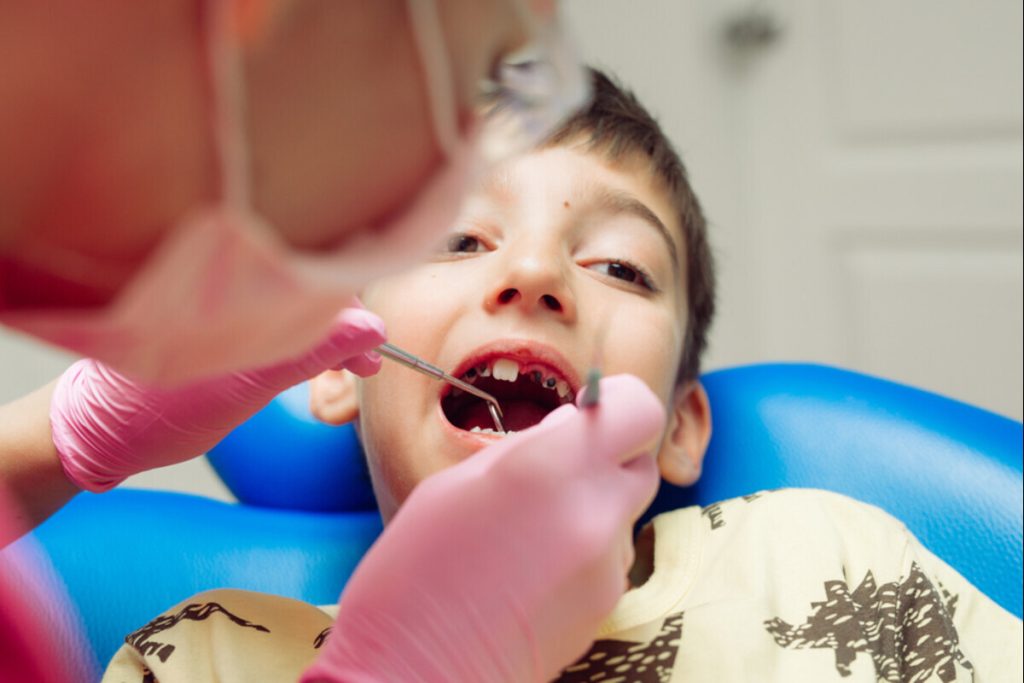
Have you noticed your child sucking their thumb and wondered if it could affect their teeth or jaw? A dental clinic in Red Deer can check your child’s teeth, bite, and jaw as they grow. Thumb sucking is a common habit that helps many babies and young children feel calm and comfortable. It often stops as they get older. However, frequent or strong thumb sucking that continues for a long time may put pressure on growing teeth and the mouth. This can sometimes affect the position of the teeth, the bite, or jaw growth.
Early guidance can help parents understand whether the habit is causing any concerns and what steps may be helpful.
Can Thumb Sucking Change a Child’s Jaw?
Thumb sucking does not automatically mean that a child’s jawline will be permanently changed. The effects depend on several factors, including how often the habit occurs, how strongly the thumb is sucked, and how long the habit continues.
Long-term thumb sucking may contribute to:
- Upper front teeth moving forward.
- Lower front teeth shifting inward.
- An open space between the upper and lower teeth
- Changes in the way the teeth come together
- Narrowing of the upper jaw in some cases
- Changes in the position of the tongue and lips
The earlier the habit stops, the more opportunity the mouth has to develop naturally.
Why Does the Age of the Child Matter?
Young children’s teeth and jaws are still growing, so thumb sucking can affect them in different ways at different ages. Thumb sucking in a toddler is usually less concerning than sucking the thumb often for many years.
As children grow, attention may be needed if:
- The habit continues as permanent teeth start appearing.
- Thumb sucking is frequent during the day and night.
- The child sucks the thumb with strong pressure.
- Changes in the bite become noticeable.
- Speech or chewing concerns develop.
A dental assessment at a dental clinic near you can help determine whether the habit is affecting oral development.
Does Thumb Sucking Permanently Damage the Jawline?
Thumb sucking does not always cause permanent changes to the jaw. In many cases, stopping the habit early can help the teeth and jaw develop more naturally as the child grows.
However, if the habit continues for a long time and causes significant changes to the bite, some effects may remain. Orthodontic treatment may be considered later if the teeth or jaws do not correct naturally.
The main concern is usually the development of the teeth and bite rather than a dramatic change to the child’s facial appearance.
How Can Parents Help a Child Stop Thumb Sucking?
A gentle approach is often more helpful than punishment or criticism. Thumb sucking may provide comfort, especially when a child feels tired, nervous, bored, or upset.
Helpful strategies may include:
- Noticing when the habit happens most often
- Offering comfort in other ways
- Praising the child when the thumb stays out of the mouth
- Using positive reminders instead of scolding
- Keeping hands busy during times when thumb sucking is common.
- Creating a reward system for older children
The approach should be based on the child’s age and readiness to stop.
When Should a Child See a Dentist?
A dental clinic near you can check your child’s teeth and bite if thumb sucking continues or if you notice changes. An early checkup does not always mean treatment is needed. It can simply help the dentist watch your child’s dental growth and spot any problems early.
A dental visit may be helpful if:
- The child is still sucking their thumb as permanent teeth begin to appear.
- The front teeth look pushed forward.
- The bite does not close properly.
- The child has difficulty chewing.
- Speech concerns are present.
- The habit is difficult to stop.
Early guidance can help parents understand whether the habit is affecting oral development.
Can Thumb Sucking Affect Speech?
Thumb sucking may sometimes contribute to changes in the position of the front teeth or the way the tongue rests in the mouth. These changes can affect speech in some children, although thumb sucking is not the only possible cause of speech difficulties.
If speech concerns are present, a dental assessment and advice from a speech professional may both be helpful.
What Does Children’s Dentistry Involve?
Children’s dentistry in Red Deer helps protect growing teeth and support healthy mouth development. Regular dental visits allow the dentist to check your child’s teeth, gums, bite, and jaw as they grow.
Dental visits can help:
- Check how the bite is developing.
- Spot early signs of teeth moving.
- Talk about habits like thumb sucking.
- Give simple oral care tips for your child’s age.
- Suggest more checks if needed.
The goal is to find possible problems early without causing unnecessary worry for the child or family.
Support Your Child’s Healthy Smile!
Thumb sucking is a common childhood habit and does not automatically lead to permanent jaw problems. However, when the habit continues for a long time, monitoring the developing teeth and bite can help identify changes early. Professional guidance can also provide practical ways to support a child in stopping the habit when needed.
Book an appointment with Parkland Mall Dental Centre to discuss your child’s thumb-sucking habit, check their dental development, and learn whether any further care may be appropriate.
FAQs
Can thumb sucking permanently ruin a child’s jawline?
Not necessarily. The effects vary based on the child’s age, how often the habit occurs, and how long it continues. Early intervention may reduce the chance of lasting changes.
At what age should thumb sucking stop?
Many children naturally stop at a young age. If the habit continues as permanent teeth begin to appear, a dental assessment may be helpful.
Will teeth go back to normal after thumb sucking stops?
Some mild changes may improve naturally as the child grows, but more noticeable changes may require orthodontic care.
Should a child be punished for sucking their thumb?
Punishment may increase stress and make the habit harder to stop. Positive encouragement and gentle support are often better approaches.